|
|
|
|
|
|
|
|
|
| ||||||||||||||||||||||||||||||||||||||||
| ||||||||||||||||||||||||||||||||
| Signatures on this item | |
| *The value given for each signature has been calculated by us based on the historical significance and rarity of the signature. Values of many pilot signatures have risen in recent years and will likely continue to rise as they become more and more rare. | |
| Name | Info |
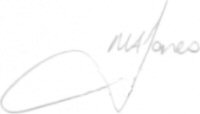 Captain N Jones RFA *Signature Value : £15 | Commanding Officer of RFA Sir Galahad. |
 Flight Lieutenant David Slow *Signature Value : £15 | Flew Red 4 with the Red Arrows. |
 Flight Lieutenant Jez Griggs *Signature Value : £15 | Flew Red 8 with the Red Arrows. |
 Flight Lieutenant Jim Turner *Signature Value : £15 | Flew Red 5 with the Red Arrows. |
  Flight Lieutenant Simon Stevens *Signature Value : £15 | Flew Red 7 with the Red Arrows. |
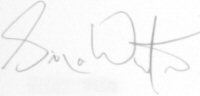 Simon Weston OBE *Signature Value : £20 | Simon Weston was on board RFA Sir Galahad in Bluff Cove in the Falkland Islands when it was attacked and destroyed. With many Welsh Guardsmen on board at the time, a total of 48 soldiers and crew of the ship were killed in the fire that engulfed the ship. Simon Weston, a Welsh Guardsman, survived the fire, but suffered terrible burns as a result. After the Falklands, Simon became a well known personality, his story of survival and recovery being the subject of numerous TV productions and books. Today, Simon is a much respected motivational and after dinner speaker. |
 Squadron Leader Dan Simmons *Signature Value : £15 | Flew Red 6 with the Red Arrows. |
 Squadron Leader Dicky Patounas *Signature Value : £15 | Flew Red 1 with the Red Arrows. |
 Squadron Leader Dunc Mason *Signature Value : £15 | Flew Red 9 with the Red Arrows. |
 Squadron Leader Martin Higgins *Signature Value : £15 | Flew Red 3 with the Red Arrows. |
 Squadron Leader Scott Morley *Signature Value : £15 | Flew Red 2 with the Red Arrows. |
| The Aircraft : | |
| Name | Info |
| Hawk | The BAe Hawk News of the first flight of the Hawk on 21 August 1974 was greeted with derision by Hunter pilots at the RAF's tactical weapons training unit. For understandably selfish reasons they were sceptical about the ability of the Hawk to replace the rugged, versatile and much-loved Hunter. "Forget Hawk - Fly Hunter" was one typical bumper sticker of the time but now 25 years on, such scepticism seems barely credible. With the arrival of the first Hawk aircraft at RAF Valley in November 1976, a new era of flying training began, and the first of thousands of fast-jet pilots discovered the joys of flying this truly thoroughbred aircraft. Since then, the BAe Hawk has earned a reputation as the world's best advanced trainer and light strike aircraft. The basic design has been refined and improved in a series of variants ranging from multi-role light fighter to the US Navy's carrier trainer. But the one quality that sets the Hawk apart from other aircraft is handling characteristics. In the on pilots own words, - "I had flown the Gnat and Hunter and in 1979 had just finished flying Canberra PR9s before transferring to the Jaguar, when I was given the opportunity to get some flying on the Hawk. It was a revelation. Here was an aircraft that was pure joy to fly, at low level it settled comfortably at 450 knots at around 150 feet and it could be flown into valleys under the most frightening weather safe in the knowledge that it could be turned around without losing airspeed almost in its own length. And at medium level? 1v1 combat in this aircraft is something else, - compared with the Hawk, the Jaguar is like flying an anvil". |
|
Contact Details |
Sign Up To Our Newsletter!
This website is owned by Cranston Fine Arts. Torwood House, Torwoodhill Road, Rhu, Helensburgh, Scotland, G848LE Contact: Tel: (+44) (0) 1436 820269. Email: cranstonorders -at- outlook.com
|
|


